Os métodos tradicionais de construção de fábricas são cada vez mais desafiados por prazos longos, custos elevados e projetos inflexíveis. Na era atual, orientada para a eficiência e consciente para a sustentabilidade, as estruturas de aço pré-fabricadas surgiram como a solução ideal para instalações industriais, comerciais e logísticas que procuram modernização.
Imagine um edifício de fábrica espaçoso, durável e moderno concluído em apenas alguns meses, em vez de anos. Esta visão é agora realidade através da construção pré-fabricada em aço, que oferece vantagens esmagadoras sobre os edifícios convencionais de betão em termos de velocidade de instalação, flexibilidade de design e valor a longo prazo.
Superioridade Estrutural: Construindo Fundações Inabaláveis
Aços-liga de alta resistência como Q235B e Q355B demonstram limites de escoamento muito superiores aos materiais tradicionais. O aço Q355B, por exemplo, oferece resistência ao escoamento de 355 MPa em comparação com a resistência à compressão típica de 30-50 MPa do concreto. Isso permite que as estruturas de aço suportem cargas mais pesadas de equipamentos, materiais e forças ambientais como neve e vento.
Pesquisas da indústria indicam que os edifícios das fábricas de aço normalmente atingem uma vida útil de 50 a 100 anos, superando as estruturas de concreto que muitas vezes exigem manutenção mais frequente e renovações mais precoces. Métodos avançados de proteção contra corrosão – incluindo jateamento de areia, revestimentos protetores e galvanização por imersão a quente – melhoram significativamente a resistência às intempéries, reduzindo os custos de manutenção a longo prazo e preservando o valor dos ativos.
Construção acelerada: capturando oportunidades de mercado
A abordagem de pré-fabricação permite que aproximadamente 70-80% dos componentes – vigas principais, colunas, terças e vigas de parede – sejam fabricados em ambientes de fábrica controlados. Este método de produção padronizado elimina atrasos climáticos e aumenta significativamente a eficiência em comparação com a construção no local.
Enquanto as fábricas de concreto tradicionais exigem de 12 a 24 meses para serem concluídas, as estruturas de aço pré-fabricadas podem ser erguidas em apenas 3 a 6 meses. Este cronograma compactado oferece vários benefícios financeiros:
- Custos de financiamento reduzidos através de períodos de construção mais curtos
- Início operacional antecipado e geração de receita
- Maior competitividade através de capacidades de resposta rápida ao mercado
Flexibilidade de Design: Adaptação às Necessidades em Evolução
A resistência inerente do aço permite vãos sem pilares de 15 a 30 metros ou mais – um feito desafiador para a construção em concreto. Essa configuração de espaço aberto melhora drasticamente a flexibilidade de layout para linhas de produção, sistemas de armazenamento e instalação de equipamentos.
A natureza modular da construção em aço simplifica futuras modificações e expansões. Quando as necessidades operacionais mudam, os edifícios de aço podem ser reconfigurados ou ampliados com custos e complexidade significativamente mais baixos do que as alternativas de concreto, prolongando a vida útil funcional da estrutura.
Soluções Sustentáveis: Reduzindo o Impacto Ambiental
O aço se destaca como um dos materiais de construção mais sustentáveis, oferecendo 100% de reciclabilidade sem degradação do material. O processo de pré-fabricação gera resíduos mínimos no local em comparação com os detritos e poeira substanciais da construção de concreto.
Os sistemas de isolamento integrados que utilizam painéis sanduíche de aço podem otimizar a eficiência energética, enquanto as avaliações do ciclo de vida demonstram consistentemente as vantagens ambientais do aço nas fases de produção, transporte, construção e demolição.
Garantia de segurança abrangente
Embora o aço perca resistência em temperaturas extremas, os tratamentos modernos à prova de fogo podem atingir as classificações de incêndio exigidas para diversas aplicações industriais. A resistência natural do material a pragas e corrosão – quando tratado adequadamente – garante integridade estrutural a longo prazo.
A ductilidade e a capacidade de absorção de energia do aço proporcionam um desempenho sísmico excepcional, com conexões adequadamente projetadas que atendem a rigorosos padrões de resistência a terremotos.
Vantagens Econômicas: Proposta de Valor de Longo Prazo
Embora os investimentos iniciais possam ser paralelos à construção tradicional, os edifícios de aço pré-fabricados demonstram uma economia vitalícia superior:
- Prazos de construção mais rápidos reduzem os custos de financiamento e aceleram o ROI
- A durabilidade minimiza despesas de manutenção, substituição e renovação
- A resistência à corrosão e a pragas diminui potenciais perdas relacionadas a danos
- A utilização aprimorada do espaço melhora a eficiência operacional
- Maior valor residual nos mercados secundários
Fabricação de Precisão: Controle de Qualidade Baseado em Dados
Enquadramento Primário:Os aços de alta qualidade passam por análises estruturais precisas usando software avançado, com tratamentos de superfície que incluem jateamento de areia de nível industrial, revestimentos protetores multicamadas (fornecendo proteção de 15 a 25 anos) e galvanização por imersão a quente (camadas de zinco de 50 a 85 mícrons para ambientes corrosivos).
Elementos Secundários:As terças e cintas de seção C/Z formadas a frio combinam alta resistência com propriedades leves para uma instalação eficiente.
Sistemas de gabinete:Os painéis sanduíche de aço oferecem várias opções de núcleo - EPS (densidade de 10-20 kg/m³, condutividade de 0,041 W/m·K), PU (35-45 kg/m³, 0,022 W/m·K), PIR (resistência ao fogo aprimorada) e lã mineral (resistência superior ao fogo). Os painéis externos normalmente usam aço galvanizado com revestimento colorido de 0,4-0,8 mm.
Gerenciamento de projetos: execução simplificada
-
Fase de planejamento:Análise do local, estudos de viabilidade e projeto conceitual
-
Engenharia:Modelagem BIM, cálculos estruturais e integração de sustentabilidade
-
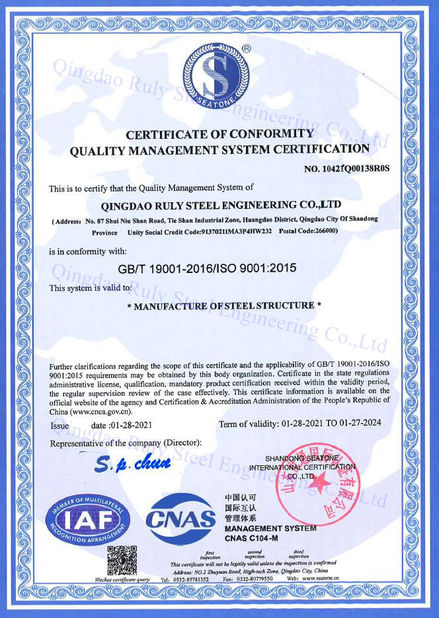
Produção:Fabricação com certificação ISO com inspeções de qualidade em vários estágios
-
Construção:Orientação de instalação especializada e coordenação de cronograma
-
Operações:Cobertura da garantia e recomendações de manutenção
Considerações Estratégicas
Do ponto de vista da gestão de riscos, a pré-fabricação mitiga atrasos climáticos, volatilidade de materiais e escassez de mão de obra, transferindo a maioria das atividades de construção para ambientes fabris controlados. Os dados históricos do projeto quantificam essas reduções de risco.
As análises de custos do ciclo de vida – abrangendo construção, financiamento, operações, manutenção e considerações de fim de vida – normalmente favorecem a construção em aço. A combinação de prazos acelerados e eficiências operacionais produz frequentemente um retorno sobre o investimento e um valor presente líquido superiores em comparação com os métodos tradicionais.


 Por favor verifique seu email!
 Portuguese